
Krystal Kinney's Wine Education Philosophy
A teaching approach grounded in hospitality experience and practical application.
Wine education at its most effective is not about memorization, testing, or academic achievement. It is about building genuine competence that translates directly into professional environments where wine is served, sold, and shared. This philosophy guides every aspect of the Krystal Kinney Sommelier Certification Program.
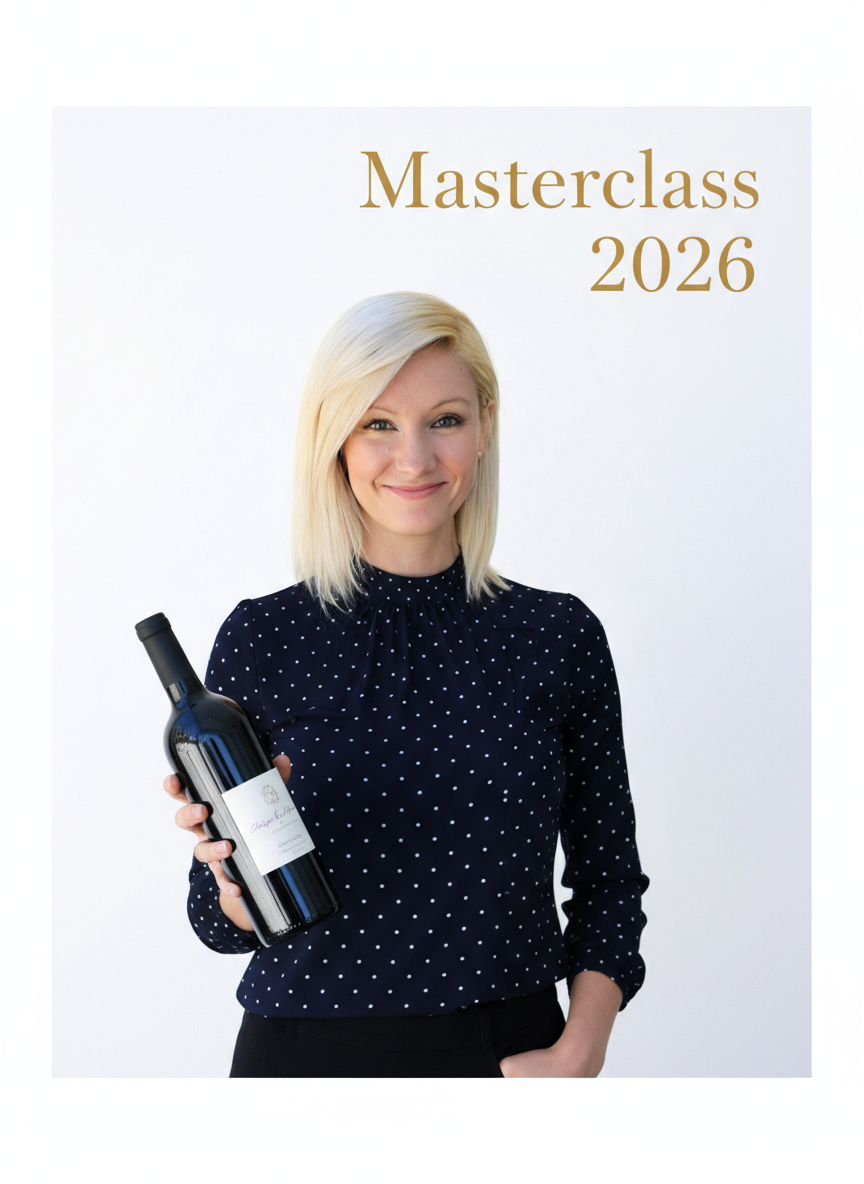
Practical Wine Education for Real Hospitality
The foundation of this program is the understanding that wine exists in service contexts. It is not an abstract subject studied in isolation but a functional element of guest experience, restaurant operations, and hospitality culture. Wine education that ignores this reality produces students who can pass tests but struggle in live service environments.
Krystal Kinney's approach prioritizes the skills that matter in real-world settings: reading guest preferences, making appropriate recommendations under time pressure, handling wine faults professionally, and communicating clearly with both customers and colleagues. These competencies cannot be developed through memorization alone. They require practice, context, and instruction from someone who has worked in the environments where these skills are applied.
This emphasis on practical application extends to every aspect of the curriculum. Wine regions are studied not as geographic abstractions but as sources of specific styles that guests ask about. Grape varieties are explored through their service implications: how they pair with common menu items, how they express themselves at different price points, and how to describe them to guests without resorting to jargon or clichés.
Confidence Over Memorization
Wine education often emphasizes the accumulation of facts: dates, appellations, production statistics, and historical details. While this information has value, it does not automatically produce confident, competent wine professionals. Confidence in wine service comes from understanding principles, developing sensory awareness, and practicing communication skills.
This program teaches wine through understanding rather than rote learning. Students learn why certain wines pair well with specific foods by exploring the underlying principles of acidity, tannin, sweetness, and weight. They develop tasting skills by learning to identify structural components and aromatic characteristics systematically. They build confidence by practicing real scenarios: recommending wines to hypothetical guests, explaining regional differences clearly, and handling common service challenges.
The goal is not to create students who can recite facts on demand but professionals who can think critically about wine, adapt their knowledge to new situations, and communicate effectively with diverse audiences. This requires a different teaching approach than traditional wine education, one that emphasizes conceptual understanding and practical application over memorization and testing.
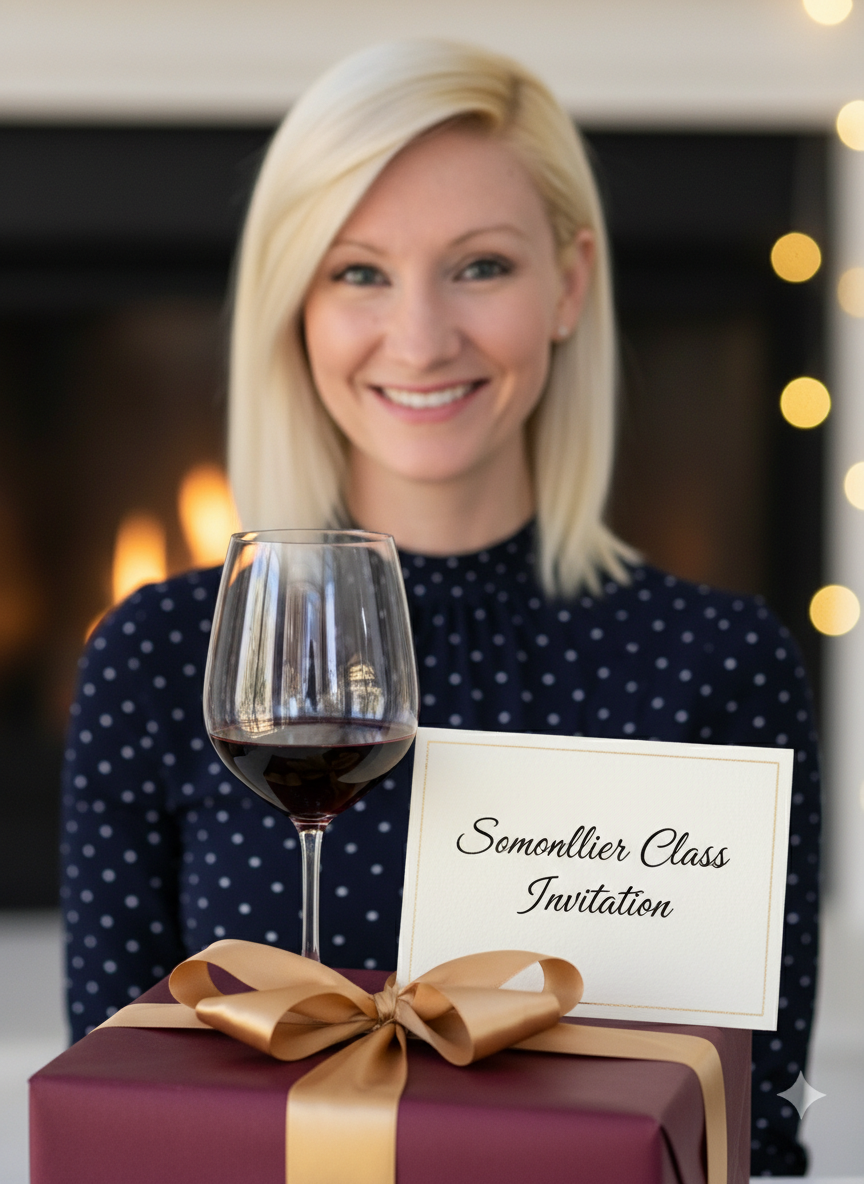
Wine as a Tool for Connection and Service
In hospitality contexts, wine is fundamentally about connection. It connects guests to place, to experience, to occasion, and to each other. It serves as a vehicle for hospitality professionals to demonstrate knowledge, build rapport, and enhance the overall dining or event experience. Wine education that loses sight of this social and experiential dimension misses the essential purpose of wine in professional settings.
Krystal Kinney approaches wine education with this understanding at its core. Wine is not taught as an end in itself but as a tool for creating meaningful guest experiences and supporting hospitality goals. This perspective influences how content is structured, what skills are emphasized, and how success is measured.
Students learn to read guest cues, adapt recommendations to different preferences and budgets, and use wine knowledge to build trust and enhance service. They practice explaining wine in ways that are engaging and accessible rather than intimidating or overly technical. They develop the ability to use wine as a point of connection rather than a barrier between themselves and their guests.
Teaching from Experience
Wine education is most effective when taught by instructors who have applied their knowledge in professional settings. Krystal Kinney brings more than 20 years of hospitality and restaurant experience to her teaching, having worked in roles that required not just wine knowledge but the ability to use that knowledge effectively in service environments.
This experience informs every aspect of the program. Lessons are structured around the realities of restaurant operations: the time constraints of busy service, the dynamics of guest interactions, the practical considerations of wine list management, and the common challenges that arise when theory meets practice.
Teaching from experience also means understanding the learning needs of working professionals. Students in this program are not full-time wine students with unlimited time for study. They are busy hospitality workers, career changers, and industry professionals who need efficient, focused instruction that respects their time and addresses their specific goals. The program is designed with this reality in mind, providing maximum value and relevance within a practical time frame.
A Different Approach to Wine Education
This philosophy distinguishes the Krystal Kinney Sommelier Certification Program from other wine education options. It is not designed for those seeking academic credentials, comprehensive encyclopedic knowledge, or preparation for specific standardized examinations. It is designed for professionals who need practical wine education that translates directly into improved performance, enhanced confidence, and documented expertise.
For individuals whose goals align with this approach, the program offers focused instruction from an experienced professional who understands both wine and the hospitality environments where wine knowledge matters most. To learn more about how this philosophy translates into curriculum and instruction, review the program curriculum or learn more about the instructor.